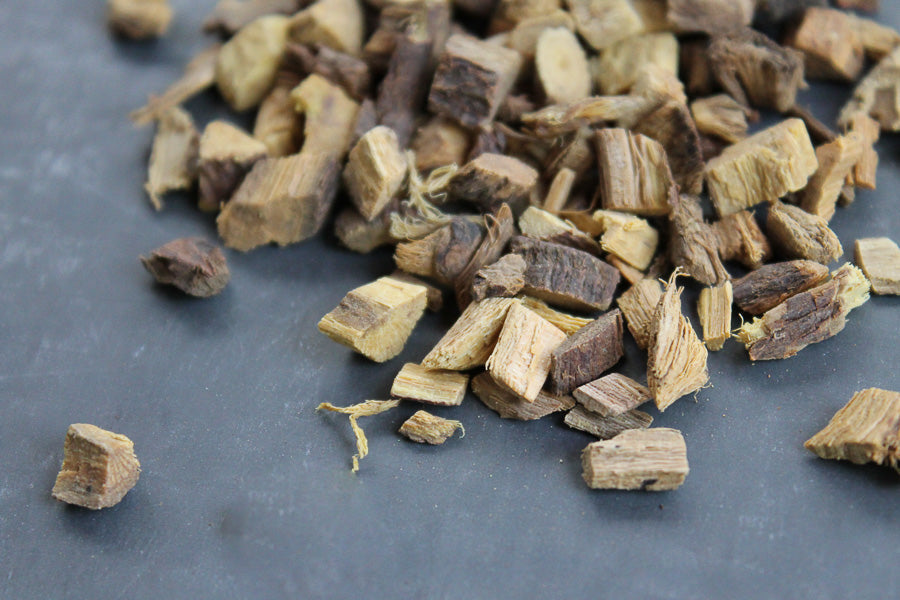
Licorice Root
Licorice Root has a complex flavor and combines well with other herbs for sweet results.
Why World Spice?
- Vegan, gluten-free, and filler-free
- Love it or we'll replace it
- Orders over $59 ship free
- Produced in small batches, shortly before shipping
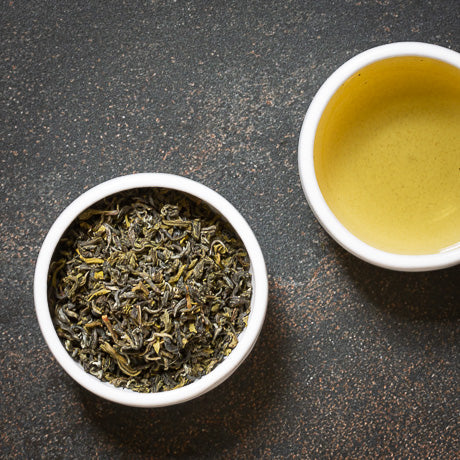
Brewing instructions
-

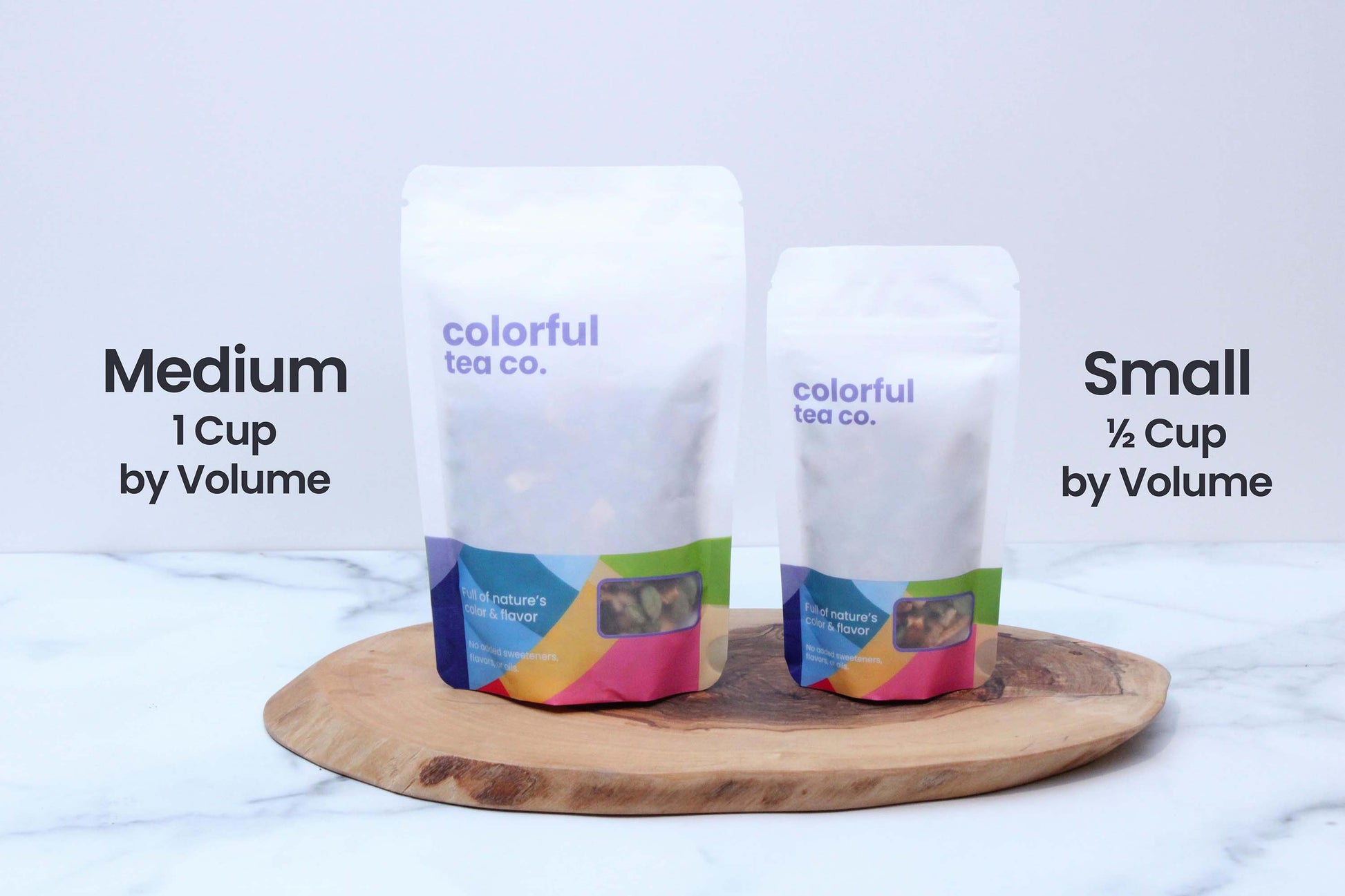
1-2 teaspoons
-

Heat 8 ounces to 212°
-

Steep for 5-10 minutes.
Tea 101
Licorice root is celebrated for its complex flavor profile that marries well with other herbs to yield sweet, nuanced results. It is particularly noted for its very sweet infusion, making it a popular sugar substitute in various tea blends. The flavor is often compared to anise, with undertones of earth and resin.
Licorice root, known scientifically as *Glycyrrhiza glabra*, has a history that dates back thousands of years. The ancient Egyptians were among the first to harness its sweet, earthy flavors, using it as a vital ingredient in a traditional drink known as 'Mai sus'. This beverage was found in copious amounts in the tomb of King Tutankhamun, suggesting its esteemed status. The use of licorice spans continents and epochs, adapting to the tastes and needs of various cultures. Interestingly, its popularity in confectionery forms, such as the licorice sticks that are familiar today, only began in the 17th century in Holland.
We love licorice root for its distinctive flavor that stands out yet blends beautifully. Its natural sweetness enhances both sweet and savory dishes, making it a versatile ingredient in our kitchen.
The distinct flavor of licorice root comes from a compound called glycyrrhizin, which is responsible for its sweet and slightly bitter taste. This complex flavor profile adds depth to various culinary applications.
Recipes with Licorice Root
Spice tips
More from Middle East


Recently viewed
The world's most versatile spice library
Since 1995 we've sourced and blended the finest flavors we can find. Nearly all of our spices are available whole or ground, and we grind in small batches shortly before shipping.