White Peppercorn
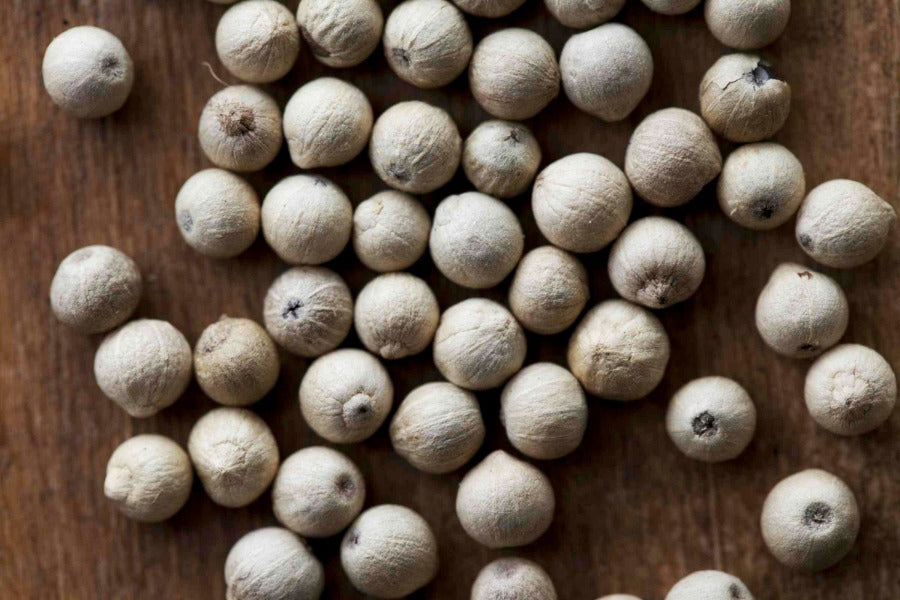
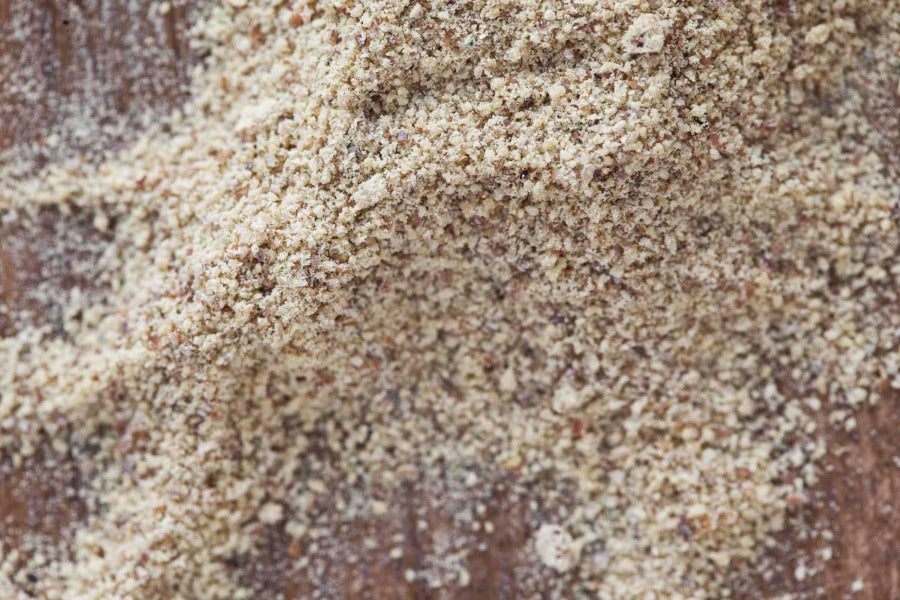
White peppercorns are black peppercorns with the outer husk removed. The heat level is similar to black peppercorn but with a smoother flavor profile. White pepper combines well into cream sauces and is essential to French cuisine and New England style seafood chowders.
Why World Spice?
- Vegan, gluten-free, and filler-free
- Love it or we'll replace it
- Orders over $59 ship free
- Produced in small batches, shortly before shipping
Spice 101
White peppercorns are essentially the same fruit as the black peppercorn, but processed differently. In producing white peppercorns the outer husk of the fruit is removed, and what remains is a spice that offers a less pungent, more earthy heat. This subtlety makes white pepper a favorite for integrating into dishes like cream sauces and light-colored dishes where you want the pepper flavor without the specks, making it a staple in both French cuisine and New England style seafood chowders.
White pepper has played a pivotal role in global spice trade, originating from the Malabar Coast of India, known as the world's pepper hub. Historically, pepper was so valuable that it was often used as currency, a practice that dates back thousands of years. In medieval Europe, it was a luxury item, affordable only by the wealthy, which is why it became a symbol of prestige and was often used as a dowry or rent payment. The use of white pepper specifically has been noted in French cuisine for centuries, where its ability to blend seamlessly into creamy dishes without marring their appearance has been especially prized.
Across different cultures, the use of white pepper varies significantly. In many Asian cuisines, for example, it is preferred over black pepper for its ability to add depth to soups and marinades without the overt heat.
White peppercorn's smooth heat is perfect for delicate sauces and soups where we want the warmth of pepper without the visual intrusion of black specks. It's a game-changer in dishes like mashed potatoes and béchamel sauce. The ability to use white pepper in a variety of culinary styles, from French to Chinese, makes it an indispensable spice in our kitchen.
The process of making white pepper involves soaking ripe peppercorns in water for several days to soften and remove their outer black husks. This soaking process not only alters the appearance of the pepper but also imparts a distinctive, slightly fermented flavor. The prolonged exposure to moisture gives white pepper a more earthy, musky taste compared to the sharper, more pungent flavor of black pepper.
Recipes with White Peppercorn
Spice tips
More from India

Recently viewed
The world's most versatile spice library
Since 1995 we've sourced and blended the finest flavors we can find. Nearly all of our spices are available whole or ground, and we grind in small batches shortly before shipping.