Summary
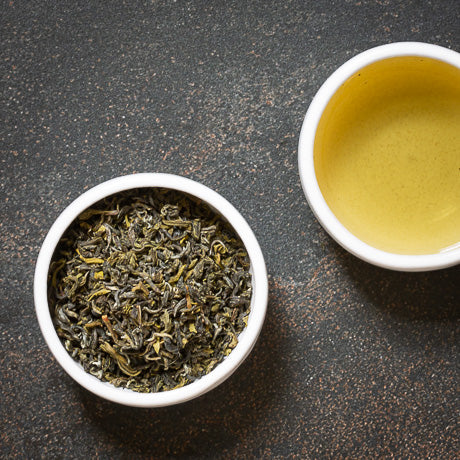
Middle Eastern Tea Rub pairs two Chinese black teas with the warm spices of the Middle East. Smoky Lapsang Souchong and malty Keemun form the base, while Indian coriander brings citrus, rose petals add sweet perfume, and sumac sharpens everything with its tart, lemony edge. Brown sugar, cassia cinnamon, allspice, black pepper, and Himalayan pink salt fill in the middle, giving the blend a warmth that bridges savory and sweet. It's versatile enough for grilling, roasting, glazing, or working into a marinade.
History
Tea and spices have been traveling the same roads for a long time. As early as the 9th century, tea was making its way from China westward along the Silk Road, reaching Persia and the broader Middle East through the same trade networks that carried cinnamon, coriander, and roses in the other direction.
In East Asia, tea has a long tradition as a cooking ingredient, not just a drink. Lapsang Souchong, a black tea smoke-dried over pinewood fires in China's Fujian province, has been used for centuries to smoke duck, flavor tea eggs, and add depth to braises. Our Asian Tea Rub draws on that tradition, using smoked tea as a base for a rub rather than a beverage.
Middle Eastern Tea Rub follows the same idea westward. We kept the smoked tea foundation and built around it with spices that have been central to Middle Eastern kitchens for centuries: coriander, sumac, roses, allspice, and cinnamon. The result is a blend that sits right at the crossroads where these ingredients have been meeting for thousands of years.
Why We Love It
Open the tin and you'll understand. The smokiness hits first, then the citrus from the coriander, then the roses come through, sweet and heady. Each ingredient seems to bring out the best parts of the ones around it, and the more you smell it, the more you find. It's the kind of blend that makes you want to cook something immediately, and also maybe just stand there with your nose in the tin for a while.
The More You Know
Sumac was the original "sour" in Middle Eastern and Mediterranean cooking, used as a tart seasoning for centuries before lemons became widely available. The Romans used it as their primary souring agent. Today it's still a staple across the region, showing up in everything from za'atar to kebab marinades to a simple dusting over hummus.